French Island Koala Situation
Our findings
French Island is home to one of Victoria’s few disease-free koala populations. In the past, government programs have been implemented to relocate koalas from the island to the mainland, and sterilise females as a way of managing numbers on the island.
Recently, however, conflicting reports have emerged about the state of the island’s koalas and their habitat. Some local farmers and the island’s Landcare group have claimed there is an “overpopulation” crisis, that trees are stripped bare, koalas are dying, and joeys are being orphaned.
Over five visits to the island, our own observations have painted a very different picture. We’ve found healthy koalas and joeys along Tankerton and Clump Roads, all in roadside habitat dominated by manna gums and swamp gums. Admittedly, the roadside veg is sick, but the trees are riddled with parasitic pests, sucking the life out of them.
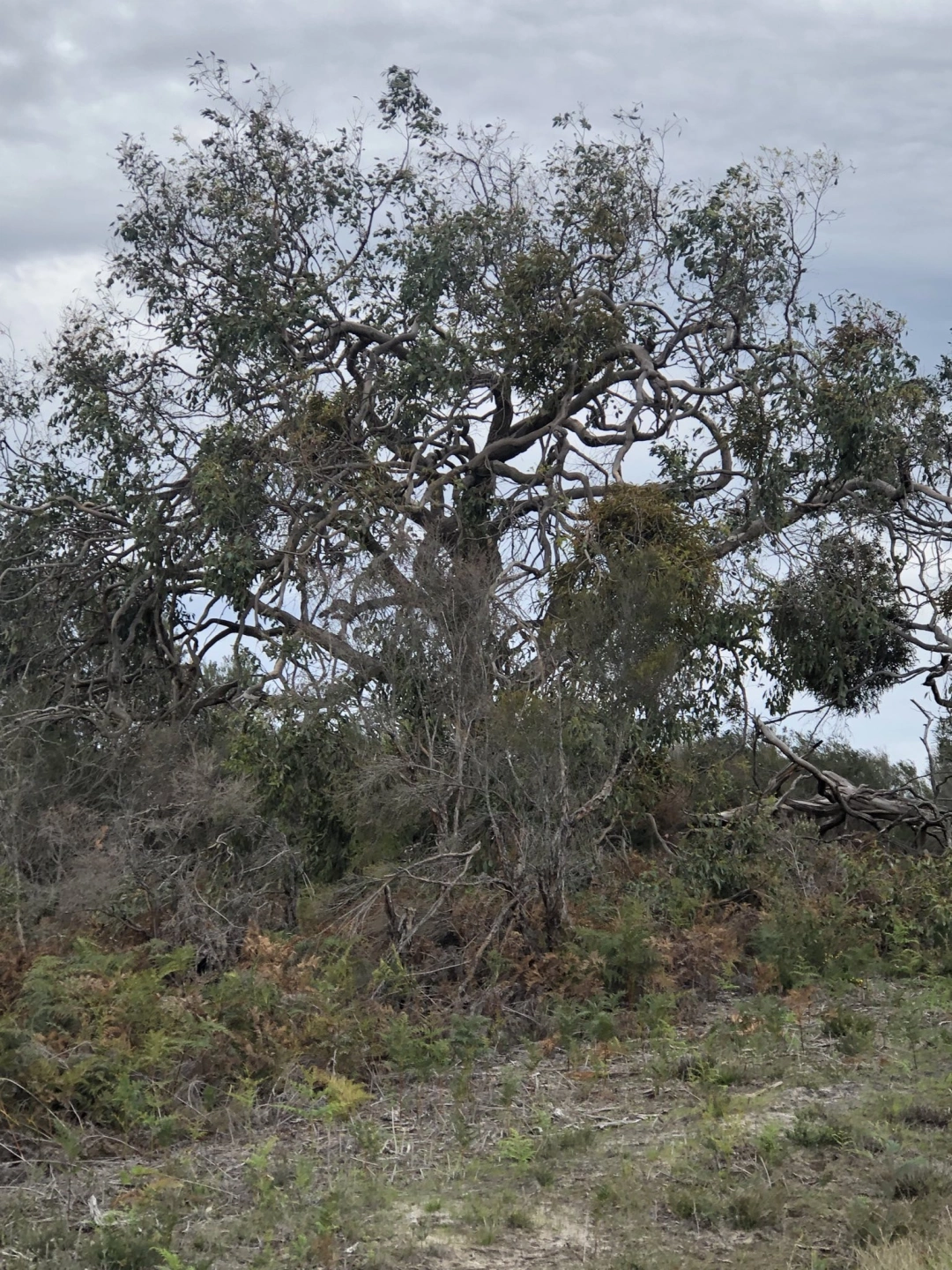
Mistletoe Infestation
Trees along Tankerton and McLeods Roads, are struggling but they are infested with mistletoe, a parasitic plant that competes for both water and nutrients. The leaves are covered in lerps, also putting heavy strain on the trees.
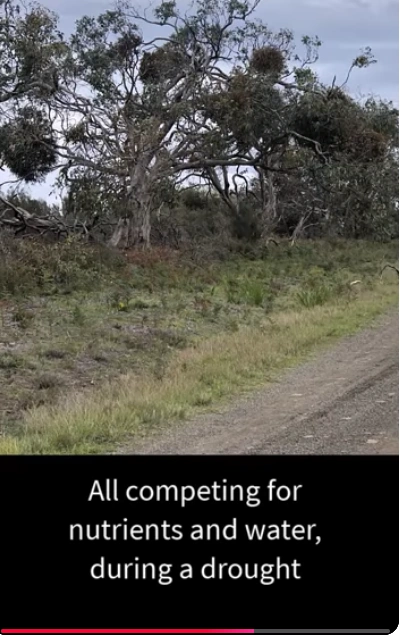
Rabbits
The bunny situation is out of control.
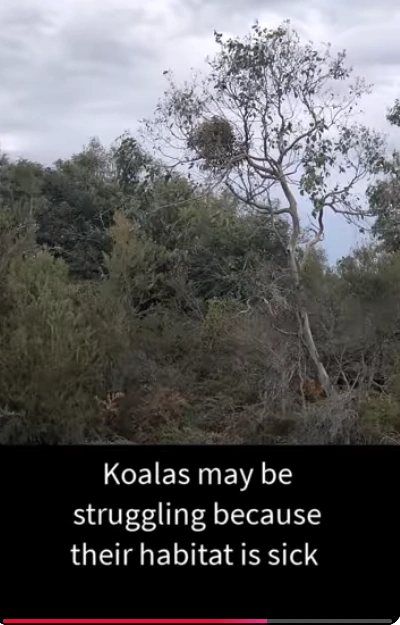
Koalas living in roadside vegetation
The road side vegetation which is struggling under the pressures of Mistletoe, lerps and drought, is where we found most of the koalas. They weren't sick or dying and their scat looked healthy, but there habitat was not.
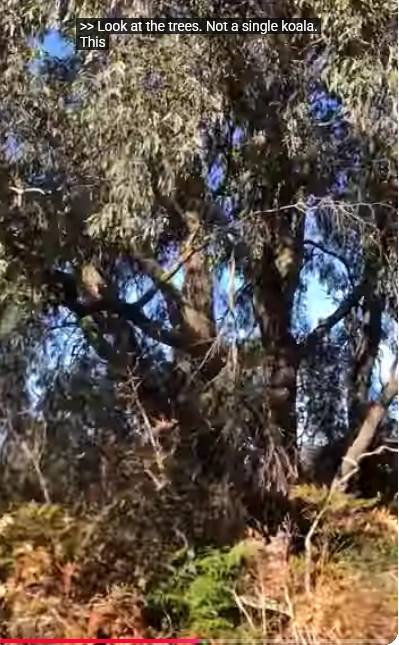
French Island National Park Vegetation
Inside the National Park, where the koala habitat is healthy and relatively untouched, we found very few koalas.
The National Park is only 500 meters from where we found multiple koalas living in struggling trees.
Call to Action
Contact the Conservation Regulator
Urgent action is needed to control and manage the pest species on French Island. DEECA must undertake a transparent investigation into the health of the island’s koala population and their habitat.
If required, they should consider humane options to help koalas, such as translocation to suitable coastal areas with similar vegetation.
In Victoria, “managing” koala populations has too often meant culling, a response The Koala Alliance cannot support without a comprehensive and evidence-based assessment of the broader environmental issues at play.